


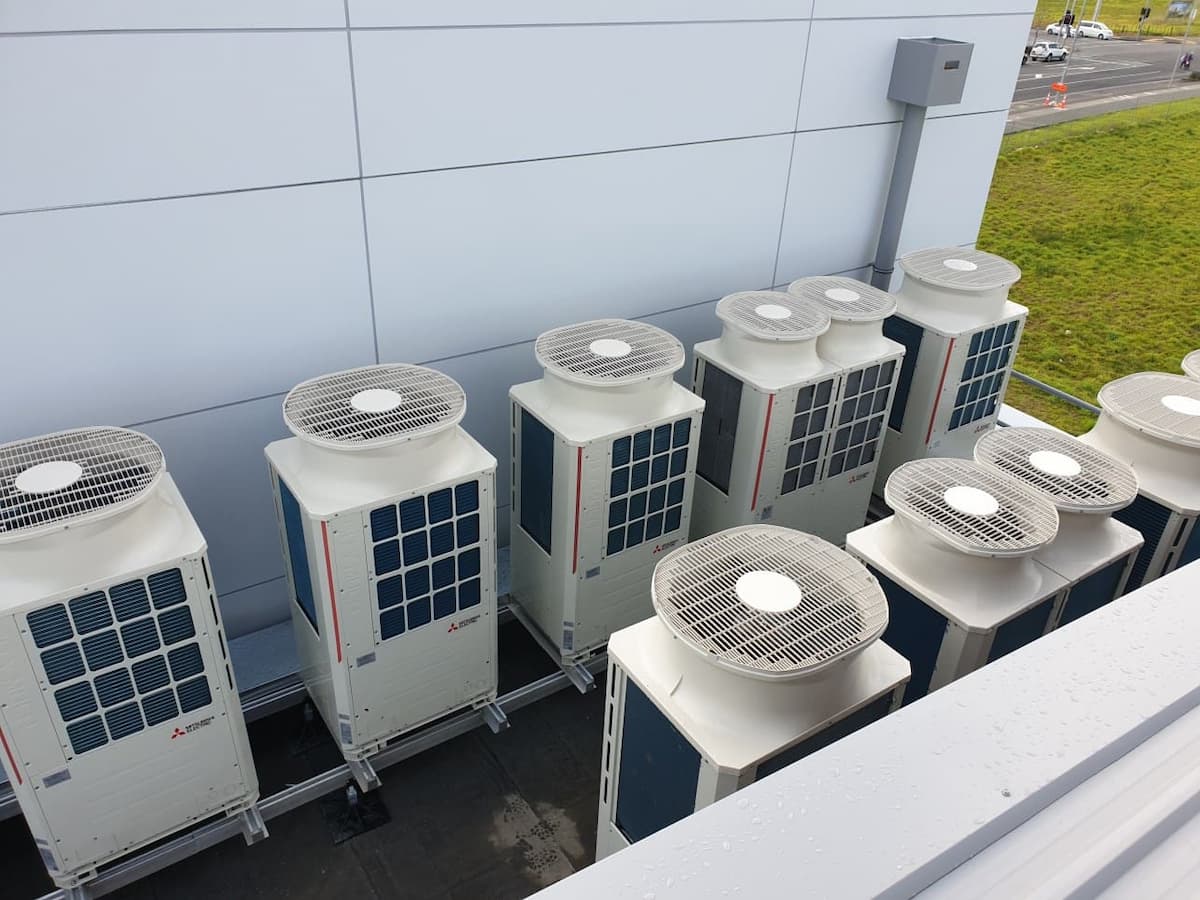
What Is an HVAC System in a Building?
An HVAC system is responsible for maintaining comfortable indoor temperatures, managing airflow and supporting healthy indoor environments within a building. Found in residential, commercial and industrial settings, these systems play an important role in day-to-day comfort, overall building performance, and in some cases, compliance with ventilation and indoor air quality standards.
If you’re exploring climate control options for a new build or existing property, understanding how they work will help you make an informed decision. This guide covers the key components of an HVAC system and what to consider when choosing one for residential or commercial spaces.
How an HVAC System Works in a Building
The term HVAC stands for heating, ventilation and air conditioning. Rather than functioning as separate components, these elements work together to regulate indoor conditions throughout the year.
Heating systems provide warmth during colder periods, while air conditioning manages cooling requirements during warmer months. Ventilation ensures a continuous exchange between indoor and outdoor air, helping maintain appropriate air quality.
The exact configuration of a system will depend on factors such as building size, occupancy levels and how the space is used. A small residential property, for example, will have very different requirements from a multi-storey office building.
The Main Components of Building Climate Control
Although configurations vary, most systems include these key elements that contribute to effective operation:
Heating Equipment
Heating equipment is designed to maintain comfortable indoor temperatures when external conditions become cooler. Depending on the property type, this may involve heat pumps, electric systems, gas heating or other heating technologies. Selecting the right solution requires consideration of insulation levels, building design and how frequently the space is occupied.
Ventilation Systems
Ventilation supports indoor air quality by introducing fresh air and helping to remove stale air, moisture, and airborne contaminants. In modern buildings, mechanical ventilation is increasingly important due to improved insulation and tighter building envelopes. Without sufficient airflow, issues such as condensation and poor indoor comfort may arise.
Cooling Systems
Cooling equipment regulates indoor temperatures and helps control humidity during warmer weather. Whether installed in homes, retail spaces or workplaces, cooling systems help create environments that support wellbeing and productivity throughout the year.
Why HVAC Matters in Modern Buildings
Climate control extends beyond convenience. Effective temperature management and ventilation contribute to a building’s usability, functionality and compliance.
A well-designed HVAC system can support occupant comfort by maintaining more stable indoor conditions, regardless of external temperatures. Consistent airflow and temperature control may also improve the experience of people living, working or visiting the space.
Energy use and building compliance are also key considerations, particularly in commercial settings. Many modern HVAC solutions are designed to help meet regulatory requirements for indoor air quality, ventilation, and energy efficiency set out in building standards, making compliance easier to manage during both design and operation.
Common HVAC Applications
HVAC technology is used across a wide range of environments, each with its own specific requirements. Residential properties typically prioritise comfort, energy efficiency and ease of operation, while commercial buildings often require more advanced zoning to manage different occupancy patterns and varied use across the same site. Healthcare facilities, hospitality venues and educational institutions also depend on carefully designed climate control systems to support their unique operational needs.
As a result, the HVAC systems NZ property owners choose can vary significantly depending on a building’s purpose, layout and expected usage.
Factors to Consider When Choosing a System
There is no one-size-fits-all approach to selecting an HVAC solution; the right setup should align with the property’s characteristics and its occupants’ expectations. Factors worth considering include:
- Building size and layout
- Occupancy levels
- Insulation quality
- Energy efficiency goals
- Budget considerations
- Maintenance requirements
- Future needs
Assessing these elements early in the planning process can help avoid unnecessary complications later on.
Maintenance and Long-Term Performance
Installation is only one part of achieving reliable operation. Ongoing maintenance of HVAC systems helps ensure the equipment continues to function as intended.
Routine servicing and preventative maintenance can help identify worn components, maintain airflow performance, and support efficient energy use. Neglecting maintenance may increase the likelihood of unexpected disruptions or reduced effectiveness.
Regular attention is particularly important for larger commercial installations where downtime may have wider operational implications.
HVAC Trends Across New Zealand
Growing awareness of energy performance and indoor environmental quality continues to influence the way HVAC systems in NZ are designed and managed.
Building owners are increasingly seeking HVAC solutions that balance comfort with efficiency. Smart controls, zoning capabilities and improved monitoring technologies are becoming more common across a range of property types. These developments reflect a broader shift towards creating spaces that support occupant wellbeing while considering long-term operational outcomes.
Understanding What Works Best for Your Building
Choosing an appropriate climate control approach begins with understanding how your building functions and what it requires from day to day. A carefully considered HVAC system can contribute to year-round comfort, support healthy indoor environments and align with the practical demands of the space.
Trusted Advice & Tailored Solutions From AirMaster
At AirMaster, we work with residential and commercial clients across Auckland and Northland to deliver tailored heating, ventilation and air conditioning services. Whether you’re planning a new installation or reviewing an existing setup, our team can help you identify solutions that suit your building’s unique requirements. Contact us today to book a consultation.

Our Services
From HVAC solutions to reliable maintenance services for your building needs, we're dedicated to delivering exceptional solutions that meet your requirements.
We are committed to delivering exceptional HVAC solutions that meet your unique needs.
EXPLORE OUR SERVICES
Commercial HVAC Solutions
We provide commercial HVAC solutions that support efficient heating and ventilation in a wide range of environments. From offices to retail spaces, our systems are carefully designed to deliver consistent heating, cooling, and airflow that provides comfort and reduces long-term energy and maintenance costs.
HVAC System Design and Build
At AirMaster, we provide specialist HVAC design and build services tailored to residential and commercial buildings across Auckland and Northland. We focus on creating integrated heating, cooling and ventilation systems that work seamlessly together. Through our expert HVAC design services, we develop solutions that are carefully planned around building layout, usage patterns and long-term performance requirements. Whether you're developing a new property or upgrading an existing building, our approach ensures your system is designed and delivered as a complete, coordinated solution from concept through to final commissioning.
HVAC Maintenance & Repair Services
At AirMaster, our HVAC maintenance service is designed to keep your system running efficiently and reliably throughout the year. With scheduled servicing, detailed inspections, and preventive care, we identify potential issues early, reduce the risk of unexpected breakdowns, and ensure your system continues to deliver consistent performance.
Residential HVAC Installation
Our residential solutions are designed to deliver reliable heating, cooling and airflow for all homes. Whether you're installing a new system or upgrading an existing one, we deliver a solution that's tailored to your lifestyle.
Heat Pump System Solutions NZ
At AirMaster, we design and install high-performance heat pumps that provide efficient heating and cooling for both residential and commercial properties. As one of the most versatile climate control options, heat pumps offer year-round comfort by delivering both warmth and cooling in summer through a single, energy-efficient system.
Heat Pump System Solutions NZ
At AirMaster, we design and install high-performance heat pumps that provide efficient heating and cooling for both residential and commercial properties. As one of the most versatile climate control options, heat pumps offer year-round comfort by delivering both warmth and cooling in summer through a single, energy-efficient system.
Heat Pump Installation Services
Heat pumps transfer heat rather than generate it, which makes them highly energy-efficient. However, performance depends heavily on the quality of installation.
Air Conditioning Installation Services in Auckland & Whangarei
At AirMaster, our air conditioner and installation cover everything from consultation and system selection to professional installation and commissioning.
Residential & Commercial Air Conditioning Solutions
With decades of experience, our team combines local knowledge and a customer-first approach to deliver solutions that keep your spaces comfortable, energy-efficient and complaint with relevant regulations.
Electrical Solutions
We understand the critical role that electrical systems play in the daily operation of your property. That's why we specialise in providing comprehensive electrical solutions designed to ensure efficiency, reliability, and safety.
View
01


