


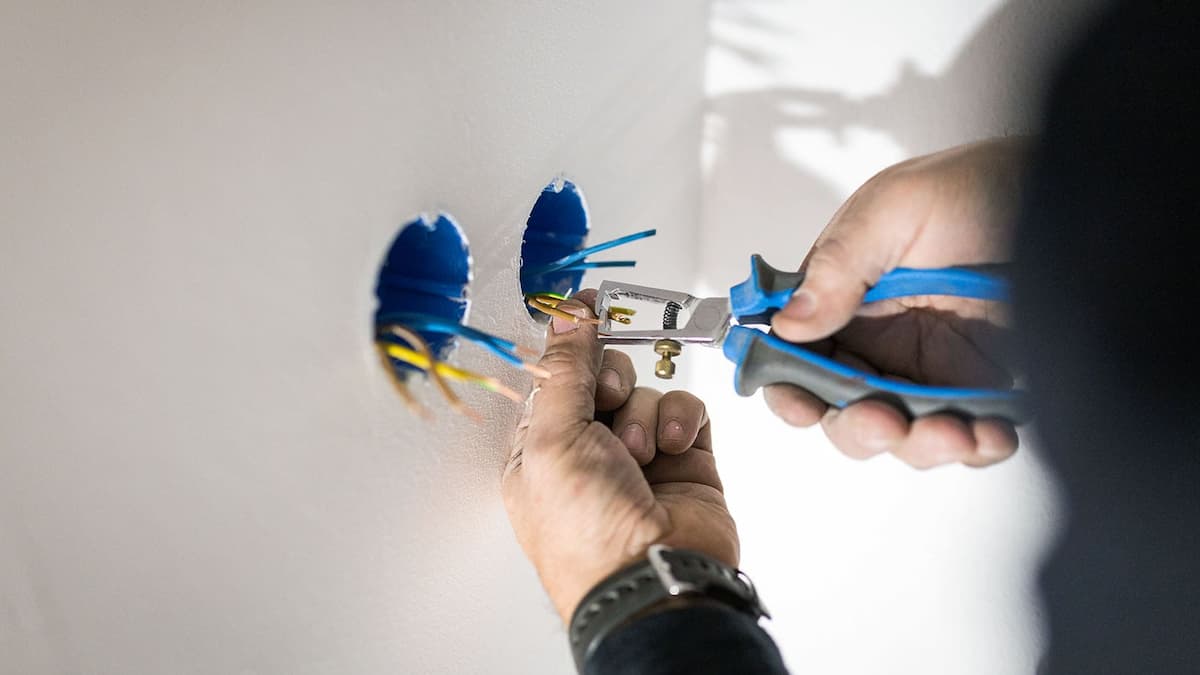
How To Locate Electrical Wires in Walls
Electrical wiring hidden behind walls powers everything from lighting and appliances to internet connections and security systems. Before drilling, renovating or mounting fixtures, it is important to understand where wiring may be located to avoid costly damage and potential safety risks.
If you’re planning a DIY project or a larger renovation, knowing how to identify the path of a wiring system is essential for working safely and confidently. Here, we explain how to locate electrical wiring in walls and what to consider before you begin any work on your property.
Why It Is Important to Locate Electrical Wiring
Many property owners assume that wires follow a straightforward route behind walls. While there are common installation practices, every property can be different, particularly in older homes that have undergone multiple renovations over the years.
Accidentally drilling into electrical wiring can result in damaged circuits, expensive repairs and, in some cases, electric shock. Taking the time to identify the location of wires before beginning work can help reduce these risks and minimise disruption.
Common Areas Where Wires Are Found
In most properties, electrical cables often run vertically or horizontally from power points, switches and light fittings. For example, if you are installing shelving above a power outlet, there is a possibility that electrical wiring runs directly upwards from that point. Likewise, wires connected to ceiling lights may travel through wall cavities before reaching switches.
However, assumptions should never replace proper checks. Changes made during previous renovations may have altered the original wiring system, creating less predictable cable routes.
Tools Used to Detect Hidden Wires
Several tools are designed to help locate hidden services behind walls. The right option will depend on the type of project you are undertaking and the level of certainty required. The main tools you can use are:
Stud Finders with Wire Detection
Many modern stud finders include settings that can identify live electrical cables. These devices work by detecting changes in density or sensing the electromagnetic field generated by powered circuits. While useful, results can vary depending on wall materials and cable depth. It is often wise to make multiple passes over the same area to improve accuracy.
Voltage Detectors
Non-contact voltage detectors identify the presence of active electrical current without direct contact with exposed conductors. They can help indicate whether live electrical wiring is nearby. It is important to remember that these tools only detect energised cables. They may not identify wires connected to switched-off circuits.
Thermal Imaging Equipment
Thermal cameras can sometimes reveal temperature differences caused by electrical activity. Although not typically used for routine household projects, they may provide additional insight during more complex investigations. For extensive electrical work, specialist equipment and expert assessment can provide greater confidence.
Signs That May Indicate Hidden Wiring
In addition to detection tools, several visual clues can suggest the presence of a wiring system behind a wall. Power outlets and switches are obvious indicators, but other features can also provide hints. Wall-mounted light fittings, extractor fans and alarm panels may all be connected via concealed cables.
Renovation plans or original building documentation can also sometimes reveal the layout of electrical wiring throughout a property. If these records are available, they may help guide your planning process.
Safety Considerations Before Starting Work
Identifying the location of electrical wiring is only one part of working safely around your home’s electrical system. Before drilling, cutting into walls or carrying out renovation work, it is important to understand the precautions involved and when professional assistance may be required.
Isolate the Circuit Where Appropriate
Before undertaking any activity that could affect hidden electrical cables, consider isolating the relevant circuit at the switchboard where it is safe and practical to do so. This additional precaution can help reduce the risk of accidental contact with live wiring during your project.
Consider the Age and Condition of Your Wiring
If you are unsure about the condition or layout of your property’s electrical system, it is worth seeking advice from a qualified electrician. Older homes may contain outdated wiring materials, previous modifications or undocumented repairs that require careful assessment before work begins.
Understand What Work Requires a Licensed Electrician
While homeowners can carry out some minor maintenance tasks, many electrical jobs in New Zealand must legally be completed by a licensed electrical worker. Understanding these requirements before starting a project can help you avoid safety risks, compliance issues and costly mistakes down the track.
Know Your Limits When Working Around Electrical Wiring
Understanding the basics of your home’s wiring system can help you plan DIY projects more confidently. However, every property is different, and hidden cables are only one consideration when working around electrical systems.
Simple tasks may require little more than careful planning and a stud finder or cable detector. More complex projects, such as relocating outlets, installing new lighting or modifying existing wiring, should be left to a licensed electrician.
Knowing your limits is an important part of working safely. Seeking professional advice when needed can help prevent damage, identify potential issues and ensure any electrical work complies with relevant requirements.
Engage an Experienced Electrician from AirMaster
Whether you’re planning renovations, upgrading existing systems or need professional electrical advice, AirMaster’s experienced electricians are here to help. Servicing residential and commercial clients throughout Auckland and Northland, we deliver reliable solutions tailored to your needs. Get in touch today to discuss your next project.

Our Services
From HVAC solutions to reliable maintenance services for your building needs, we're dedicated to delivering exceptional solutions that meet your requirements.
We are committed to delivering exceptional HVAC solutions that meet your unique needs.
EXPLORE OUR SERVICES
Commercial HVAC Solutions
We provide commercial HVAC solutions that support efficient heating and ventilation in a wide range of environments. From offices to retail spaces, our systems are carefully designed to deliver consistent heating, cooling, and airflow that provides comfort and reduces long-term energy and maintenance costs.
HVAC System Design and Build
At AirMaster, we provide specialist HVAC design and build services tailored to residential and commercial buildings across Auckland and Northland. We focus on creating integrated heating, cooling and ventilation systems that work seamlessly together. Through our expert HVAC design services, we develop solutions that are carefully planned around building layout, usage patterns and long-term performance requirements. Whether you're developing a new property or upgrading an existing building, our approach ensures your system is designed and delivered as a complete, coordinated solution from concept through to final commissioning.
HVAC Maintenance & Repair Services
At AirMaster, our HVAC maintenance service is designed to keep your system running efficiently and reliably throughout the year. With scheduled servicing, detailed inspections, and preventive care, we identify potential issues early, reduce the risk of unexpected breakdowns, and ensure your system continues to deliver consistent performance.
Residential HVAC Installation
Our residential solutions are designed to deliver reliable heating, cooling and airflow for all homes. Whether you're installing a new system or upgrading an existing one, we deliver a solution that's tailored to your lifestyle.
Heat Pump System Solutions NZ
At AirMaster, we design and install high-performance heat pumps that provide efficient heating and cooling for both residential and commercial properties. As one of the most versatile climate control options, heat pumps offer year-round comfort by delivering both warmth and cooling in summer through a single, energy-efficient system.
Heat Pump System Solutions NZ
At AirMaster, we design and install high-performance heat pumps that provide efficient heating and cooling for both residential and commercial properties. As one of the most versatile climate control options, heat pumps offer year-round comfort by delivering both warmth and cooling in summer through a single, energy-efficient system.
Heat Pump Installation Services
Heat pumps transfer heat rather than generate it, which makes them highly energy-efficient. However, performance depends heavily on the quality of installation.
Air Conditioning Installation Services in Auckland & Whangarei
At AirMaster, our air conditioner and installation cover everything from consultation and system selection to professional installation and commissioning.
Residential & Commercial Air Conditioning Solutions
With decades of experience, our team combines local knowledge and a customer-first approach to deliver solutions that keep your spaces comfortable, energy-efficient and complaint with relevant regulations.
Electrical Solutions
We understand the critical role that electrical systems play in the daily operation of your property. That's why we specialise in providing comprehensive electrical solutions designed to ensure efficiency, reliability, and safety.
View
01


